Recognizing the Warning Signs
Living in Miami means enjoying beautiful tropical trees year-round — from towering royal palms and sprawling banyan trees to lush ficus and fragrant mahogany. But trees don't last forever, and some can become serious hazards if left unchecked.
As professional arborists serving Miami-Dade and Broward County for over 15 years, we've seen firsthand what happens when homeowners ignore the warning signs. Here's what to look for.
1. Dead or Dying Branches
If more than 25% of a tree's canopy is dead or dying, it's usually a sign of irreversible decline. Dead branches are brittle and can fall without warning — especially during Miami's summer storms. Look for branches with no leaves during growing season, peeling bark, and fungal growth.
2. Trunk Damage and Decay
Cracks, cavities, and soft spots in the trunk indicate internal decay. A tree may look healthy on the outside while being hollow inside. This is extremely dangerous because the tree can collapse under its own weight or from wind pressure during a hurricane.
3. Root Problems
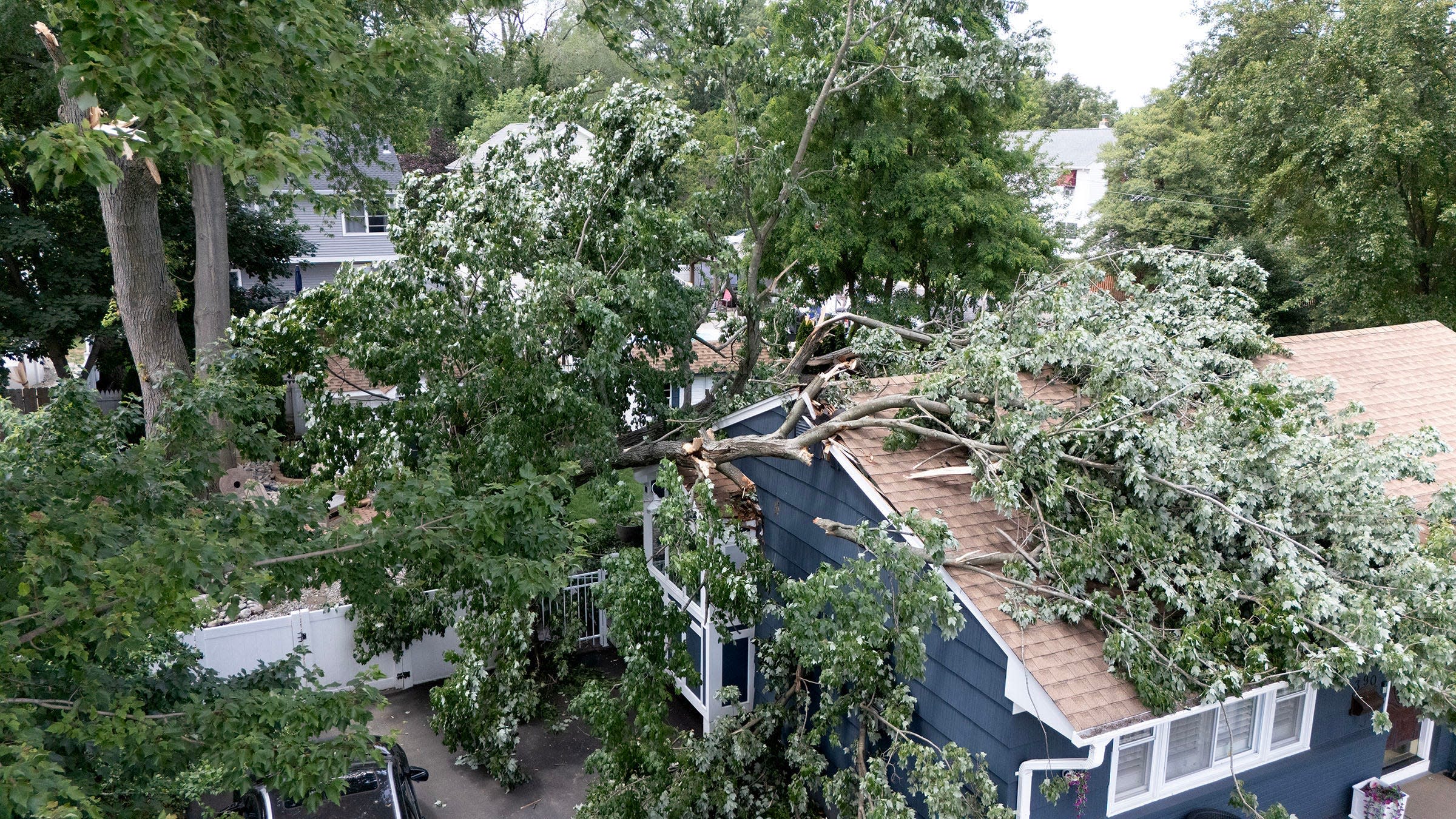
Heaving soil, exposed roots, and mushrooms growing at the base of the tree often indicate root rot or root damage. Since roots anchor the tree to the ground, compromised roots mean the tree could topple in a storm — potentially onto your home, car, or family members.
4. Leaning Significantly
While some trees naturally lean, a sudden change in lean angle is concerning. If a tree that was previously upright is now leaning noticeably, the root system may be failing. This is especially dangerous for large trees near structures.
5. Fungal Growth
Mushrooms, conks, or bracket fungi growing on or around the tree indicate internal wood decay. The fungi feed on dead wood, and their presence usually means the tree has significant structural weakness.
6. Storm Damage History
Trees that have been damaged in previous hurricanes or tropical storms may have hidden structural weaknesses. Even if a tree appears to recover after storm damage, the compromised areas can fail in future storms.
Why Miami Trees Need Special Attention
South Florida's unique climate creates specific tree risks:
- Hurricane season (June–November) brings sustained winds that test every tree's structural integrity
- Saturated soil during rainy season can weaken root systems
- Invasive species like Brazilian pepper and Australian pine are especially prone to failure
- Rapid growth in tropical conditions can create weak branch attachments
When in Doubt, Get a Professional Assessment
Don't wait until a tree falls on your home or blocks your driveway during a storm. MD Rios Tree Services offers free tree assessments for residential and commercial properties across Miami-Dade and Broward County.
Our certified team will evaluate your trees' health, structural integrity, and risk level — then recommend the most appropriate course of action, whether that's pruning, cabling, or safe removal.
Call 305-244-4228 today for a free evaluation, or request an estimate online.
Need Professional Help?
MD Rios Tree Services is here to help with all your tree care and landscaping needs across Miami-Dade and Broward County.